If you ask a Costa del Sol rental manager which town has the most reliable rental income across twelve months, the honest answer — and the one we give owners at every Fuengirola discovery call — is Fuengirola.
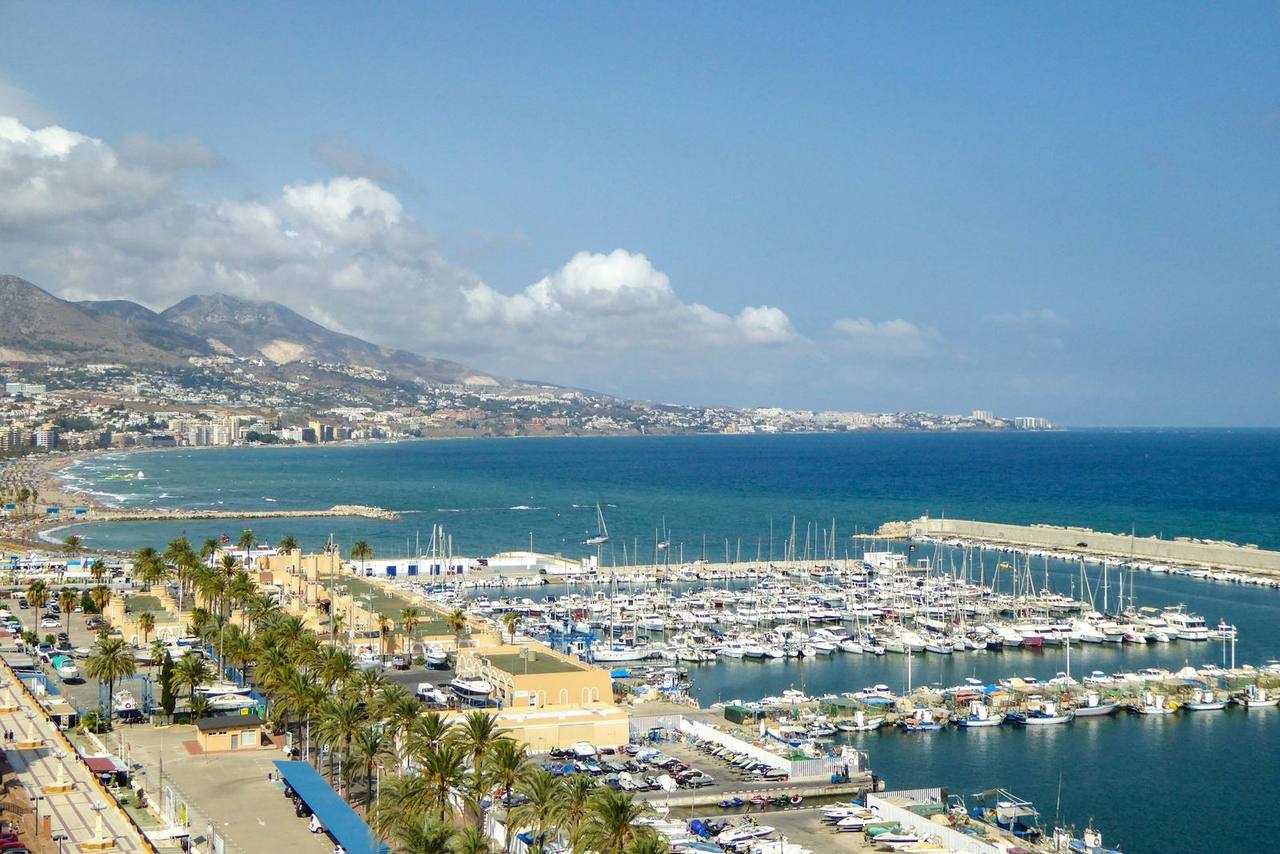
The reason isn't glamorous. It's the seven-kilometre Paseo Marítimo.
What the paseo actually does
Most Costa del Sol towns have a beachfront promenade. Fuengirola's is structurally different in three ways:
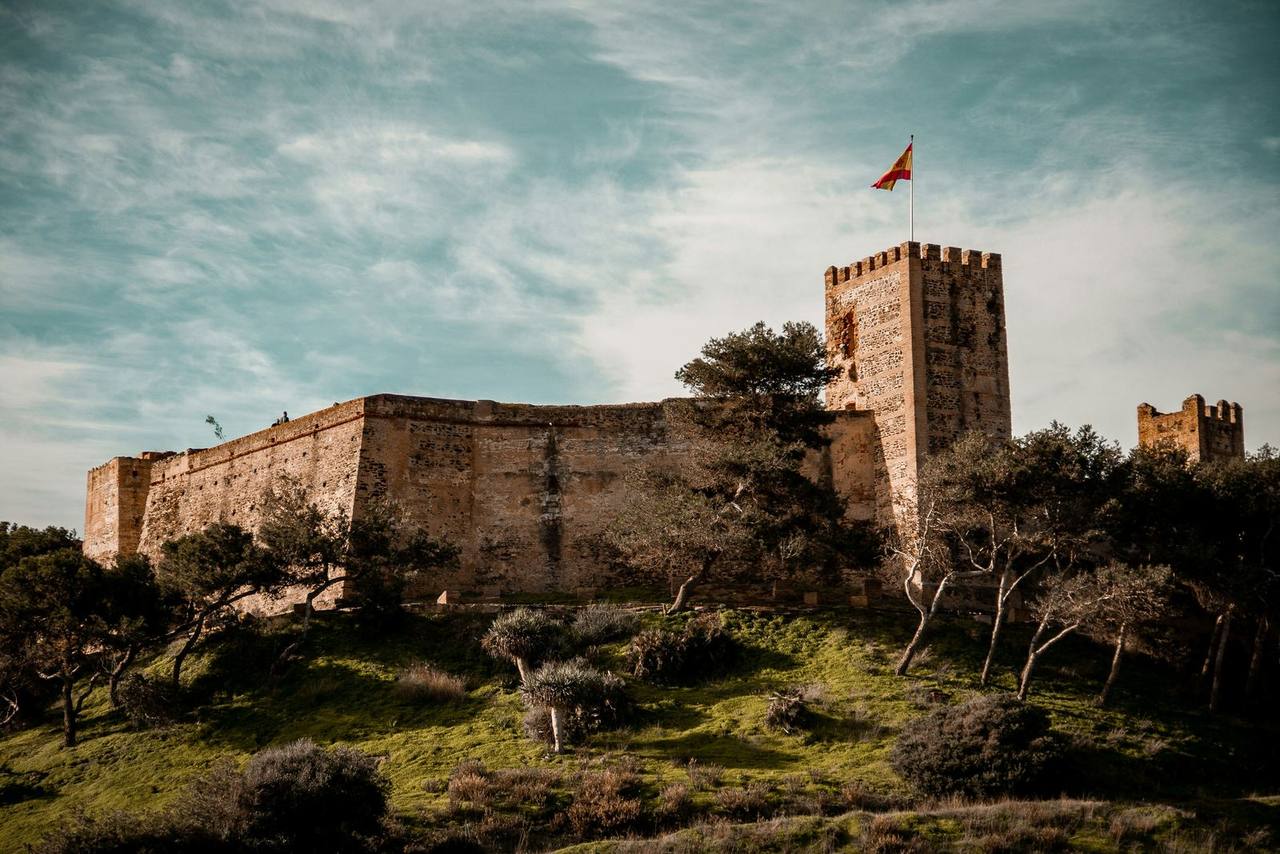
- It's continuous. Seven full kilometres without interruption from Carvajal in the east to Castillo Sohail in the west. You can walk it end-to-end in 90 minutes.
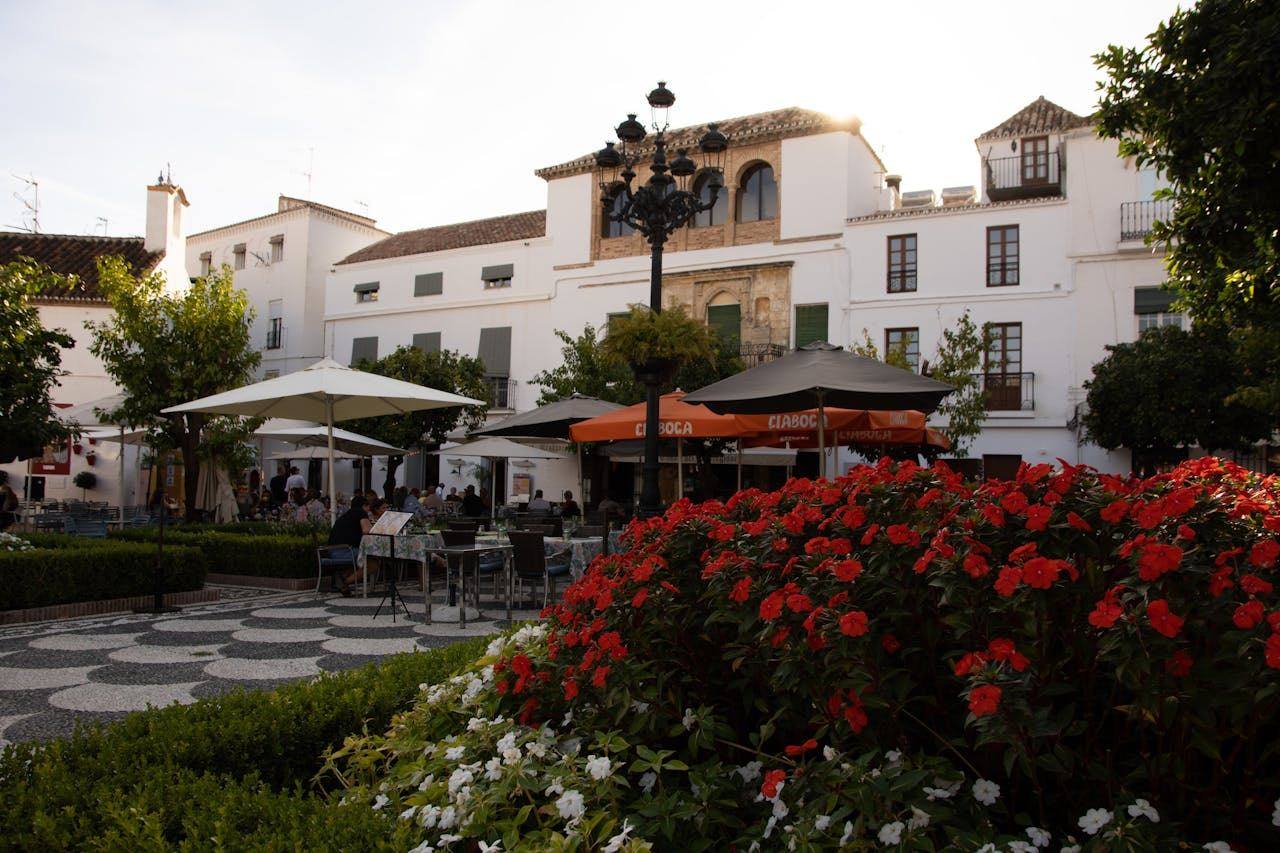
- It connects everything that matters to a guest. Restaurants, beach bars, the Puerto Deportivo marina, the historic centre, the train stations at Los Boliches and Carvajal, the Bioparc, supermarkets, the Tuesday market.
- It's flat, well-lit and walkable in winter. Older Northern European visitors — the long-stay winter market we'll come back to — can walk it daily without thinking about it.
Compare to Marbella, where the paseo is shorter and broken into segments. Or Estepona, which is upgrading rapidly but doesn't yet have the same continuous infrastructure. Fuengirola's paseo is the structural advantage that creates Fuengirola's structural rental market.
Why this matters for occupancy
The point isn't that Fuengirola fills the summer — every Costa del Sol town does, more or less. The point is that Fuengirola fills shoulder months and winter months better than its peers, because long-stay Nordic, Dutch and German guests pick Fuengirola specifically for the paseo and the flat walkable town.
Within the municipality, the six areas rent on different rhythms:
- Centro y Puerto — walkable, marina, train station. The strongest year-round profile in town.
- Los Boliches — beach barrio with a deep Nordic repeat-guest base. Winter long-stays book the same apartments year after year.
- Higuerón — premium resort with spa/wellness. Less seasonally exposed than Centro because of the year-round wellness market.
- Myramar — quieter than Centro, beachfront blocks favoured by older Northern European long-stays.
- Torreblanca — hillside with sea views, train station. Mid-market profile.
- Los Pacos — residential, lower-priced, but with the strongest winter long-stay concentration in town.
The long-stay winter market is the dial that matters
In Marbella, low season is something owners endure. In Fuengirola, low season is income.
Long-stay bookings — typically one to six months from retired or semi-retired Northern Europeans — are the structural feature that distinguishes Fuengirola from coastal towns where the calendar empties from November through March. The guests are typically Nordic or Dutch, often retired, often returning to the same apartment year after year.
Per-night rates are lower for long-stays. But monthly revenue often beats summer because:
- 100% occupancy across the booked months (no gap days, no empty Sundays)
- Zero cleaning costs during the stay
- Almost no guest-support overhead (long-stayers are self-sufficient by design)
- Lower platform fees if booked direct rather than through a short-stay platform
Net work is dramatically less than running short-stays through the same window. Net income can be similar or better. For owners who want a calmer year, a long-stay-led winter is a meaningful improvement.
Why the paseo specifically drives this
A long-stay guest in their seventies isn't going to rent a car for four months. They want to walk to the supermarket, to the cafe, to the train, to the beach. They want to walk a flat seafront in February with their husband or wife and stop for a coffee. The paseo enables all of that in a way no other Costa del Sol town quite matches.
This is why long-stay guest density is highest in Los Boliches and Myramar — the two beachfront barrios most directly fed by the paseo. Higuerón has long-stays too, but they're a different demographic: younger, more active, drawn by the resort's spa/gym/restaurants.
How owners should think about this
If you own a Fuengirola property, three implications:
1. Don't fight the long-stay market — design for it. Properties stocked with practical kitchen equipment, comfortable seating for long evenings, reliable wifi and a good washing machine outperform properties optimised purely for short-stay summer holidays. Even a small detail — a proper armchair with a reading lamp — moves a property up the long-stay shortlist.
2. Price the year as a year, not as a peak plus filler. Owners who treat October to April as "fill what you can" leave money on the table. A property with a clear long-stay rate, a clear shoulder-month rate and a clear summer rate generally outperforms a property that prices reactively.
3. Paseo proximity is a real differentiator. Within Fuengirola, properties on or close to the paseo earn meaningfully more per year than otherwise-identical properties further inland. If you're considering a purchase, factor that into the sums.
A specific recommendation for this season
For owners who haven't yet built a winter long-stay strategy: now is the moment. May is the start of the booking window for next winter's Nordic long-stays. The earliest bookings — typically made before mid-July — are usually for the most desirable apartments, often by repeat guests rebooking units they stayed in the previous winter.
If your property has been "summer only" so far, talk to us at the discovery call about a year-round strategy. We share occupancy and revenue data from comparable Fuengirola properties when we have it. The numbers either work for your property or they don't — we'll be honest about it either way.
— Maarten Glaser, founder, Glaser Group
Personally reviewed and approved by Maarten Glaser — owner of Glaser Group: real estate, rental management and investments.